
Community Hospice House · Proposal and Director’s Treatment
Proposal and Director’s Treatment01 / 11

A fundraising film for the Acara Hospice Foundation

Community Hospice House

A film about the last days of a life, and the place Bryan/College Station does not have yet.

Or scroll to read in silence. Temp music: “Before You Leave” by Henriette Fleich.
Prepared for
The board of the Acara Hospice Foundation
Director
Everett Francis, Mirage Media
Running time
2 to 3 minutes
Delivery
December 15, 2026

Background: a concept image generated for this treatment. It is not the architect’s design.

Contents
A note from the director02 / 11

Director

When Dr. Covington asked whether I would consider this project, it was an easy yes for me. This film presents an opportunity to create something beautiful that will generate meaningful, lasting change in our community, and bless the lives of many… it also presents an opportunity to love and care for the folks who will be generous enough to share these tender stories with us. That’s my favorite part of filmmaking. If you choose to work with me, stewarding these families and treating them with dignity and compassion will be my utmost priority.

What follows is how I would make the film: how the story is told, how the edit flows, how the families are looked after, and how the house appears before it exists. The scope and the price come after that, in plain numbers.

Thank you, sincerely, for your consideration.

Everett Francis, signature
The need03 / 11

Medicare does not cover 24-hour care at the end of life.

  • Today, option 1

    A hospital room

    Sometimes possible. Never the place anyone would choose.

  • Today, option 2

    Private care at home

    Around the clock, paid out of pocket. Out of reach for many families.

  • What is missing

    A house built for this

    Bryan/College Station has none. The film exists to change that.

The arc04 / 11

4 beats

From loss to an invitation

  1. 1

    The gap

    Caregivers describe what happens now when a patient needs round-the-clock care and there is nowhere to go.

  2. 2

    What it costs a family

    Families who have lost someone share what those days were like, and what a place like this would have meant.

  3. 3

    The house

    The film turns toward hope as the house appears: its rooms on paper, its porch, its quiet.

  4. 4

    The invitation

    A clear ask. The goal, what a gift builds, and the name the house is still waiting for.

The families05 / 11

How the interviews are made

The people in this film come first

Every family in the film has lost someone. The way they are treated matters more than any frame.

  • Someone they trust makes the first call

    Families hear about the film from someone they already know, like Dr. Covington or another person who cared for their loved one. They are free to say no.

  • A gentle set

    Wherever we film, the room is calm, unhurried and compassionate. Lights are set before the family sits down, and only the people needed for the conversation stay.

  • Their story stays theirs

    We are not there to mine grief for effect. Each family shares only what they choose to, and can pause whenever they need to.

  • They see it first

    Each family watches their part of the film before the board, a donor or anyone else does.

Look and sound · the first half06 / 11

Before the house appears

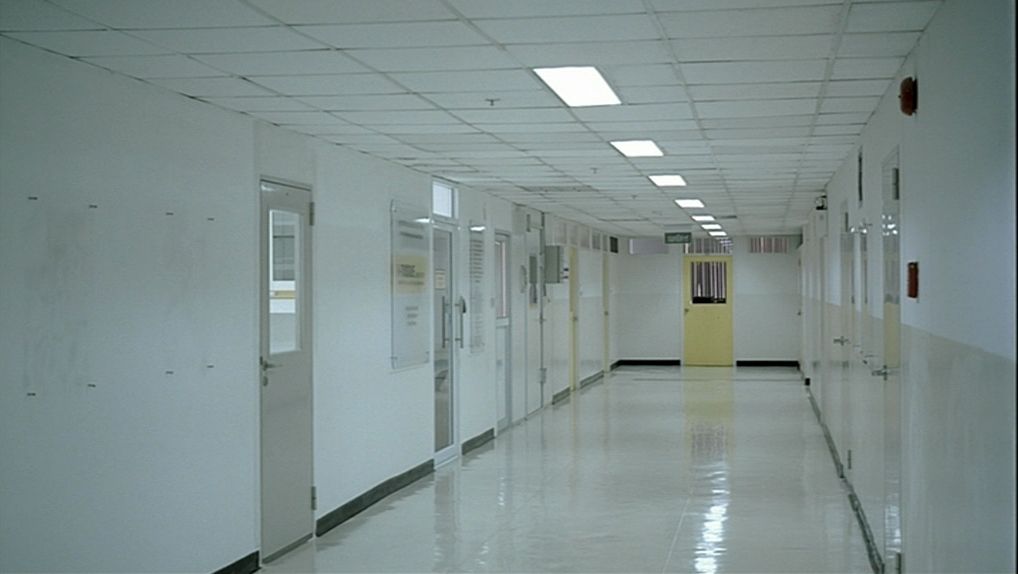
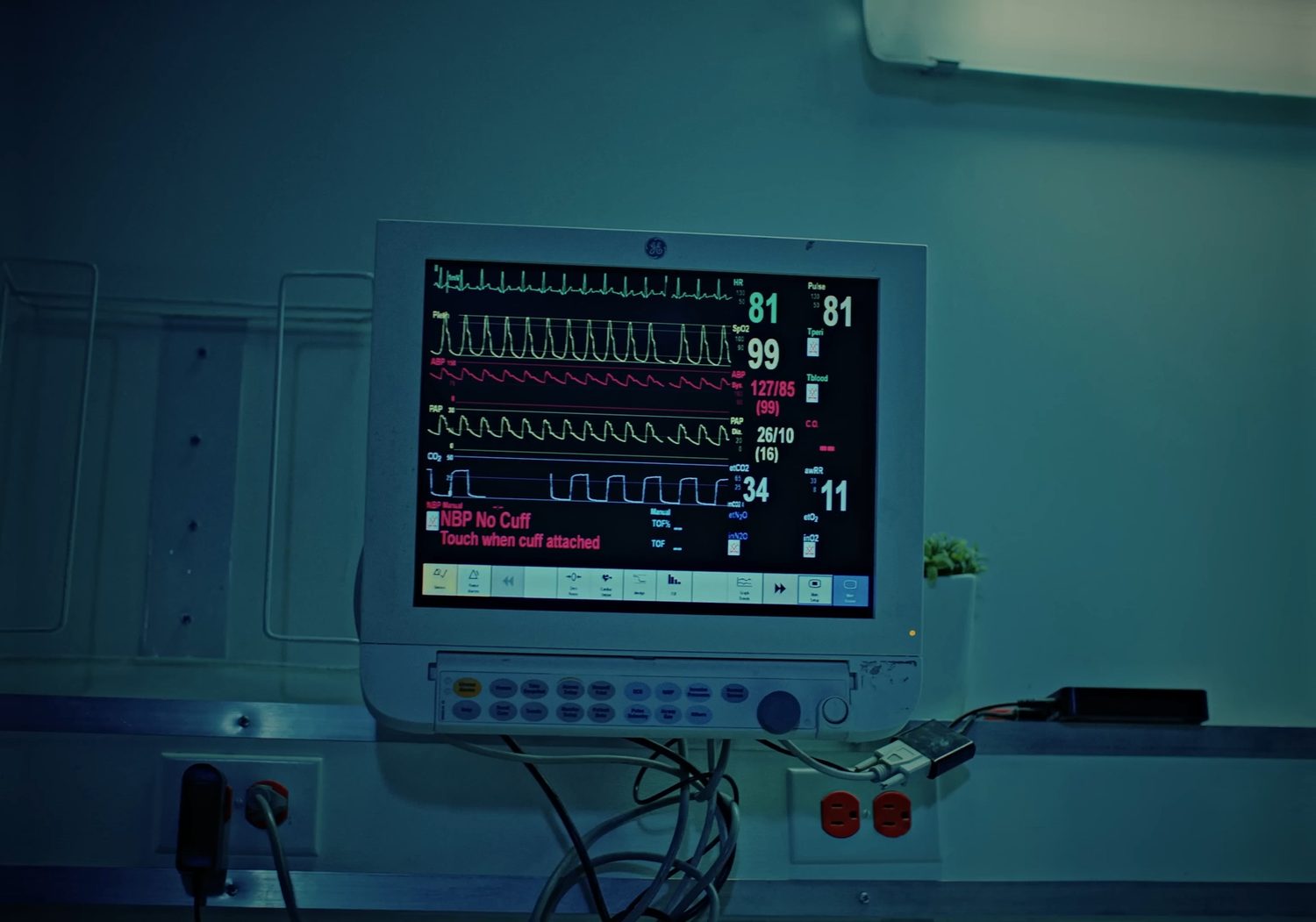
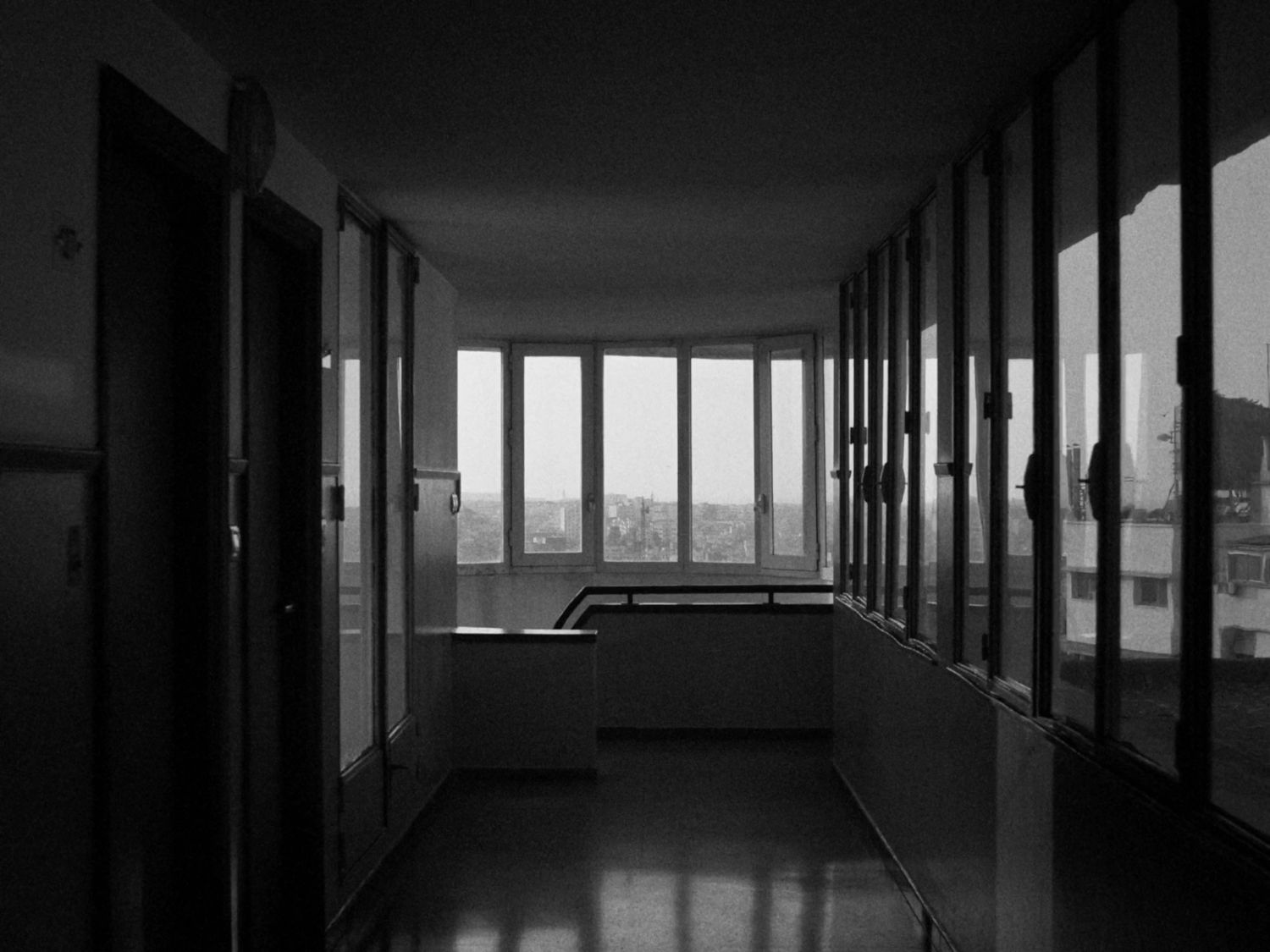
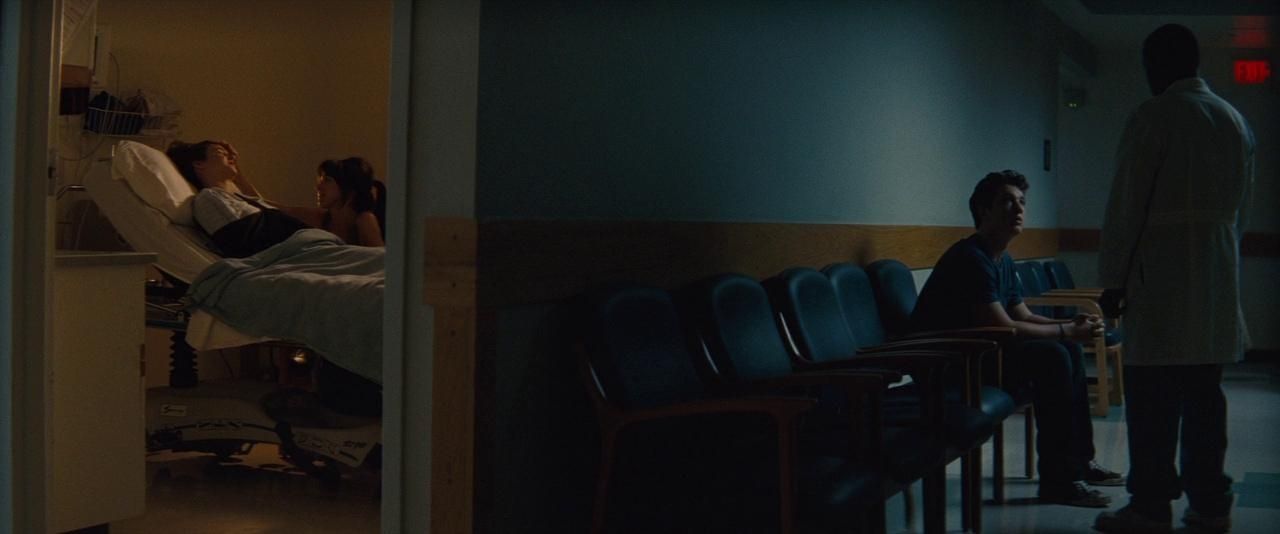
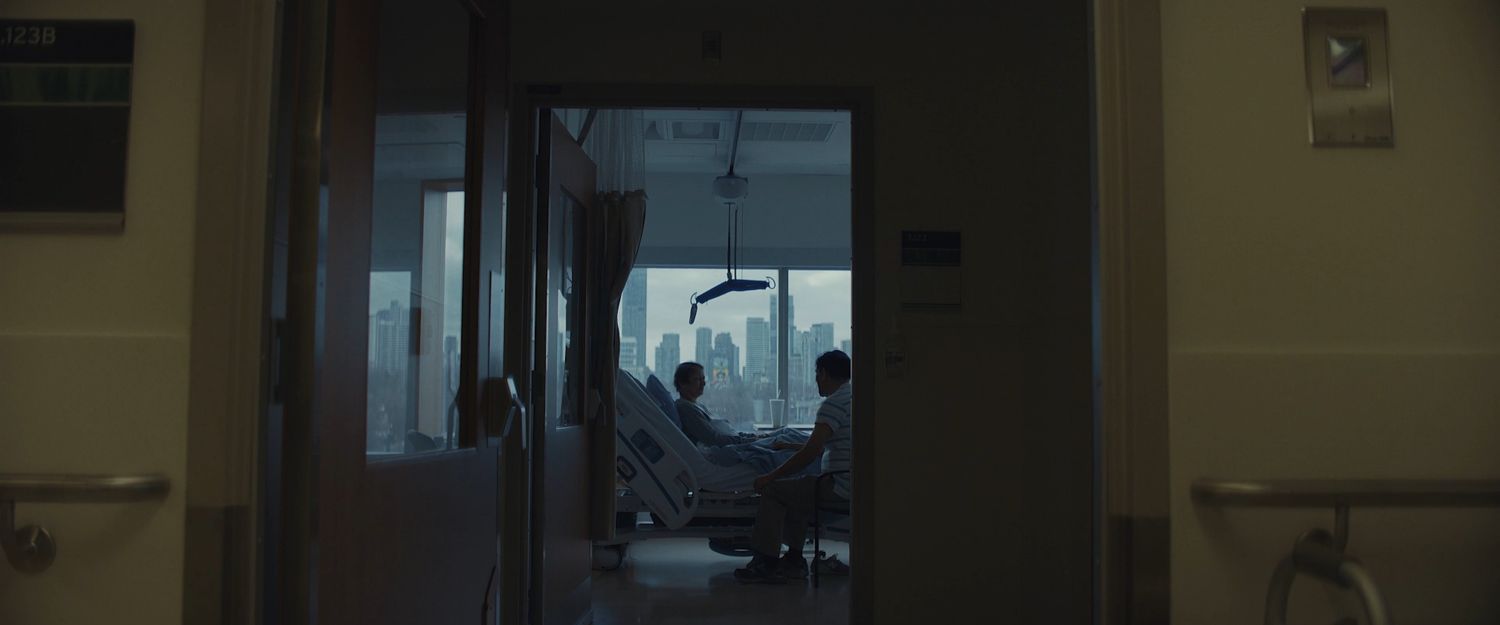
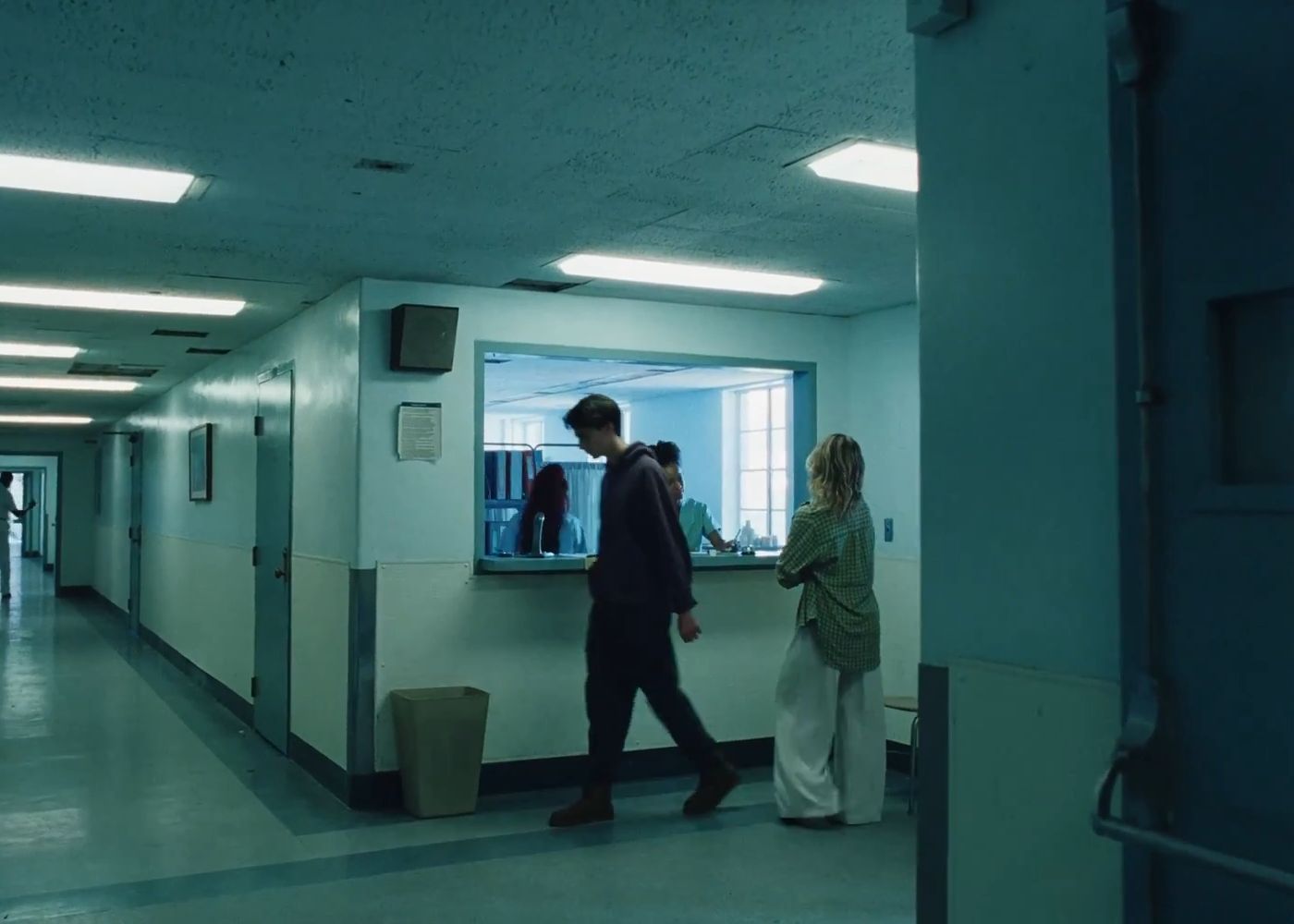
Rooms that were never meant for this

Still, empty and seen from a distance. The hospital is not the villain of this film. It is the wrong room for this moment.

An empty white hospital corridor under fluorescent light
A bedside patient monitor on a blue-green hospital wall
An empty corridor in black and white, windows at the far end
A young man waiting on a row of chairs in a hospital hallway
A patient and a visitor seen through a doorway from the hall
People passing a nurses' station in a blue-green hospital corridor

Frame

Locked off, wide and deep. Rooms without people, or people seen from a doorway.

Light

Cool and flat. Overhead fixtures, and daylight kept on the far side of the glass.

Sound

Room tone, a clock, a hum down the hall. Subdued, ambient music. Perhaps no music at all.

Look and sound · the second half07 / 11

Once the house appears

Then the light comes in

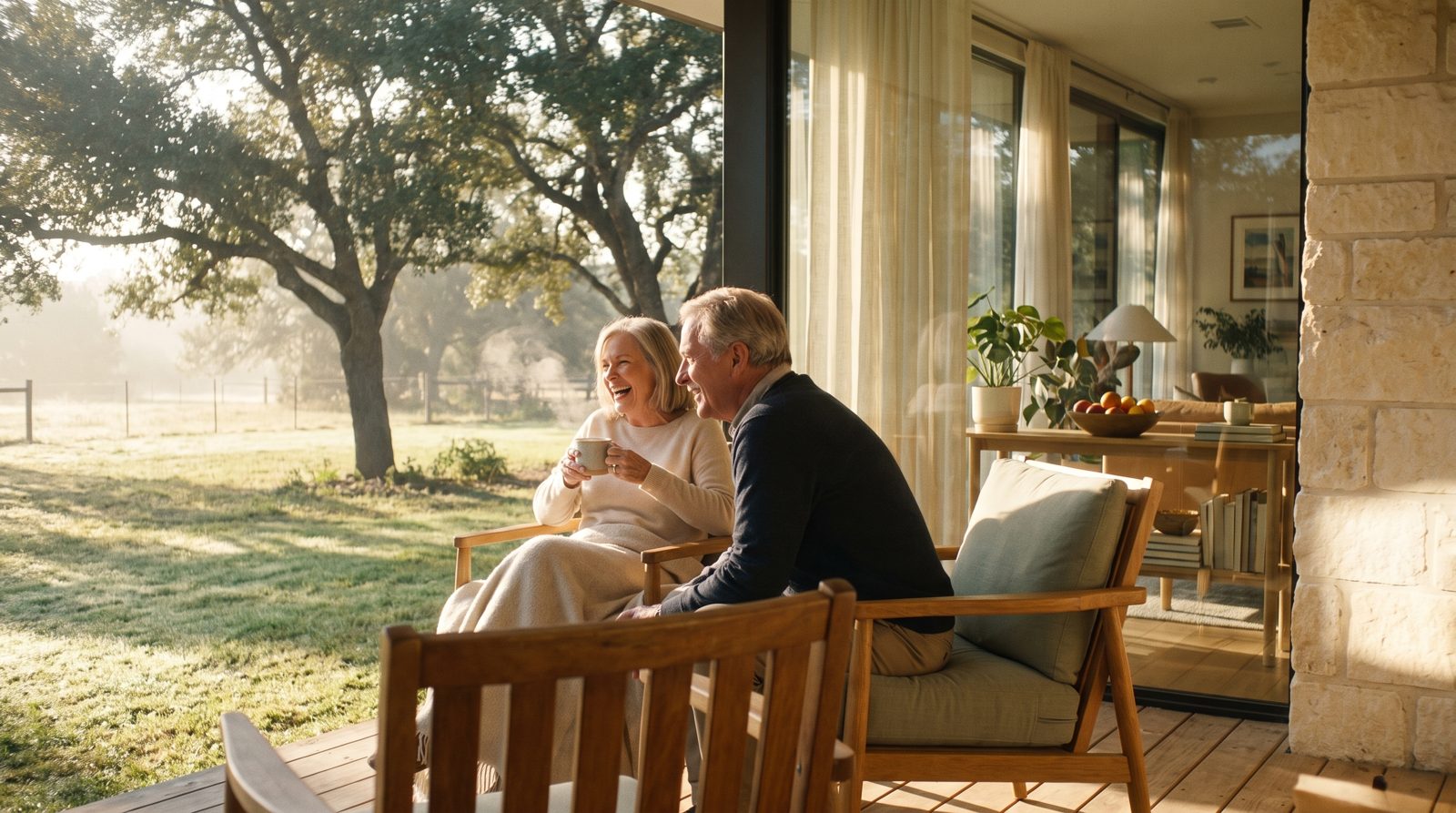
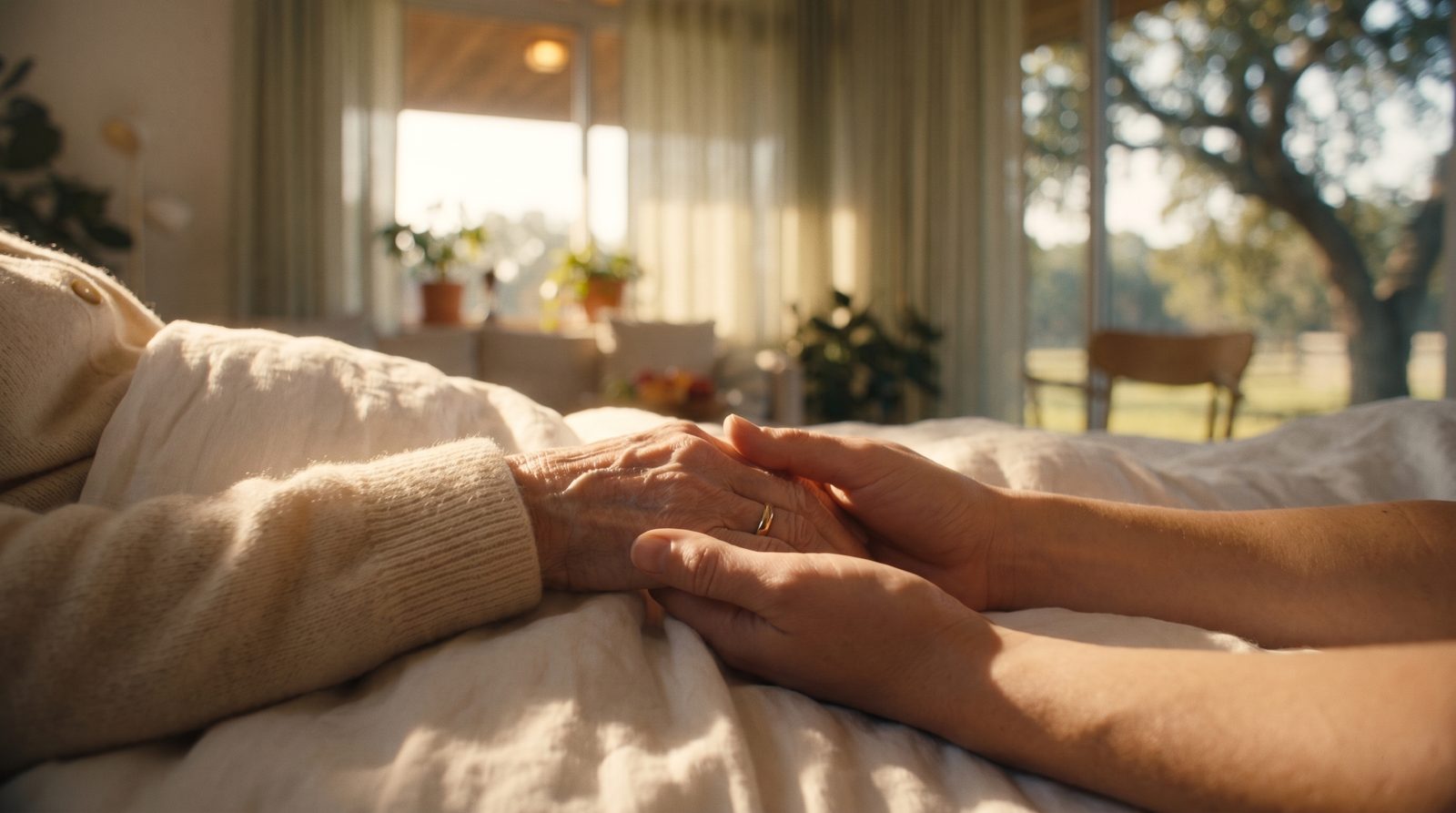
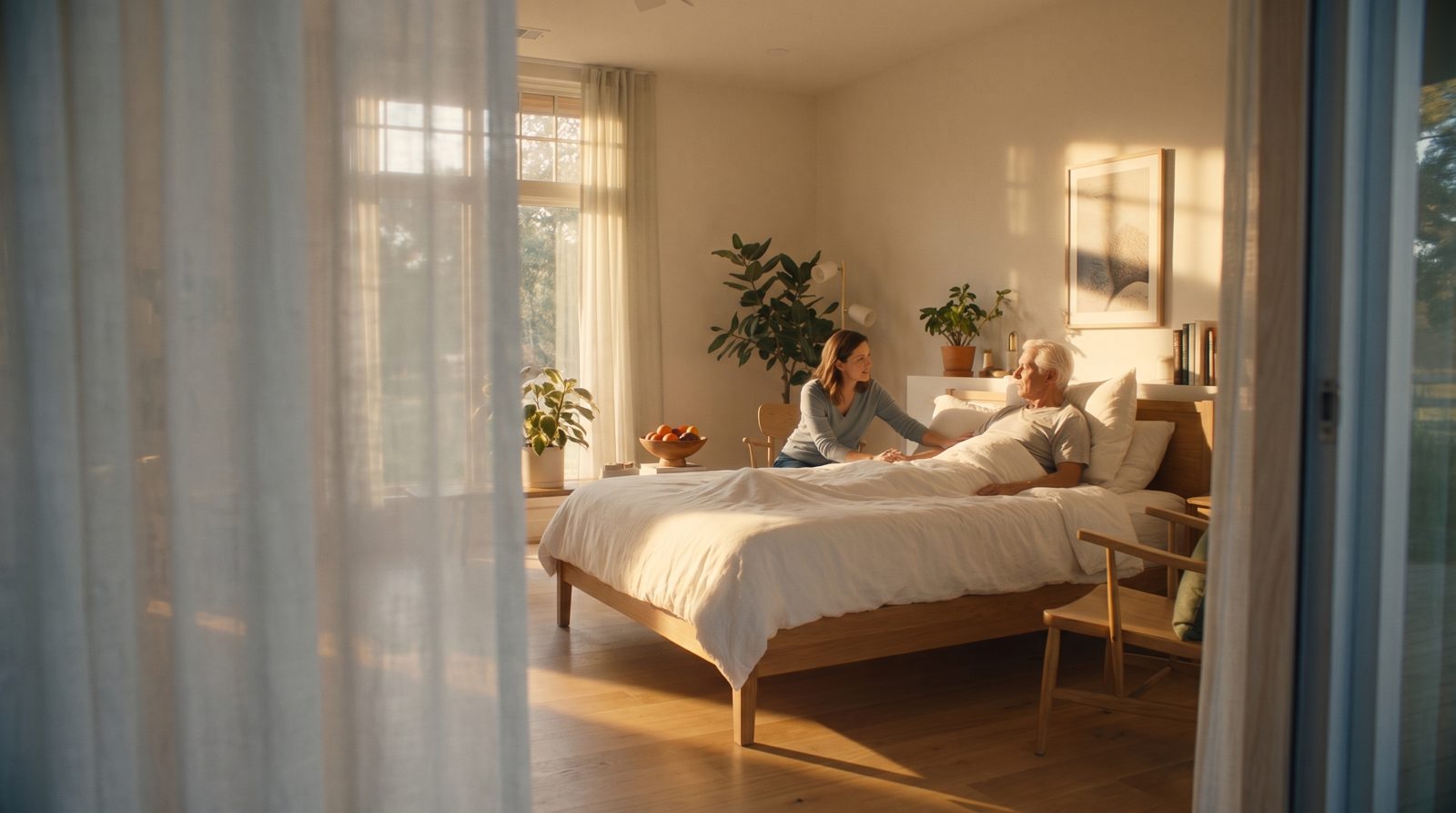
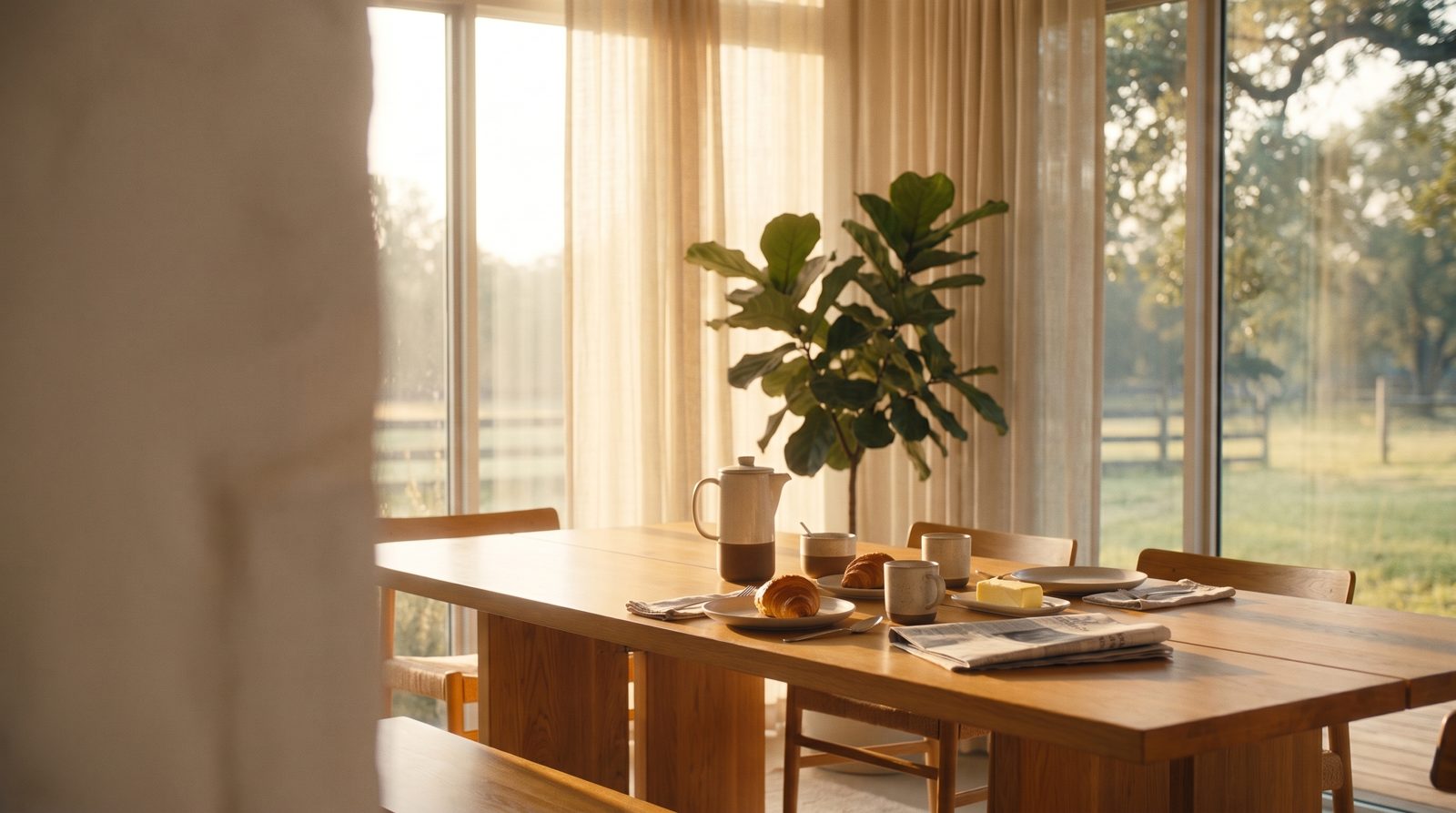
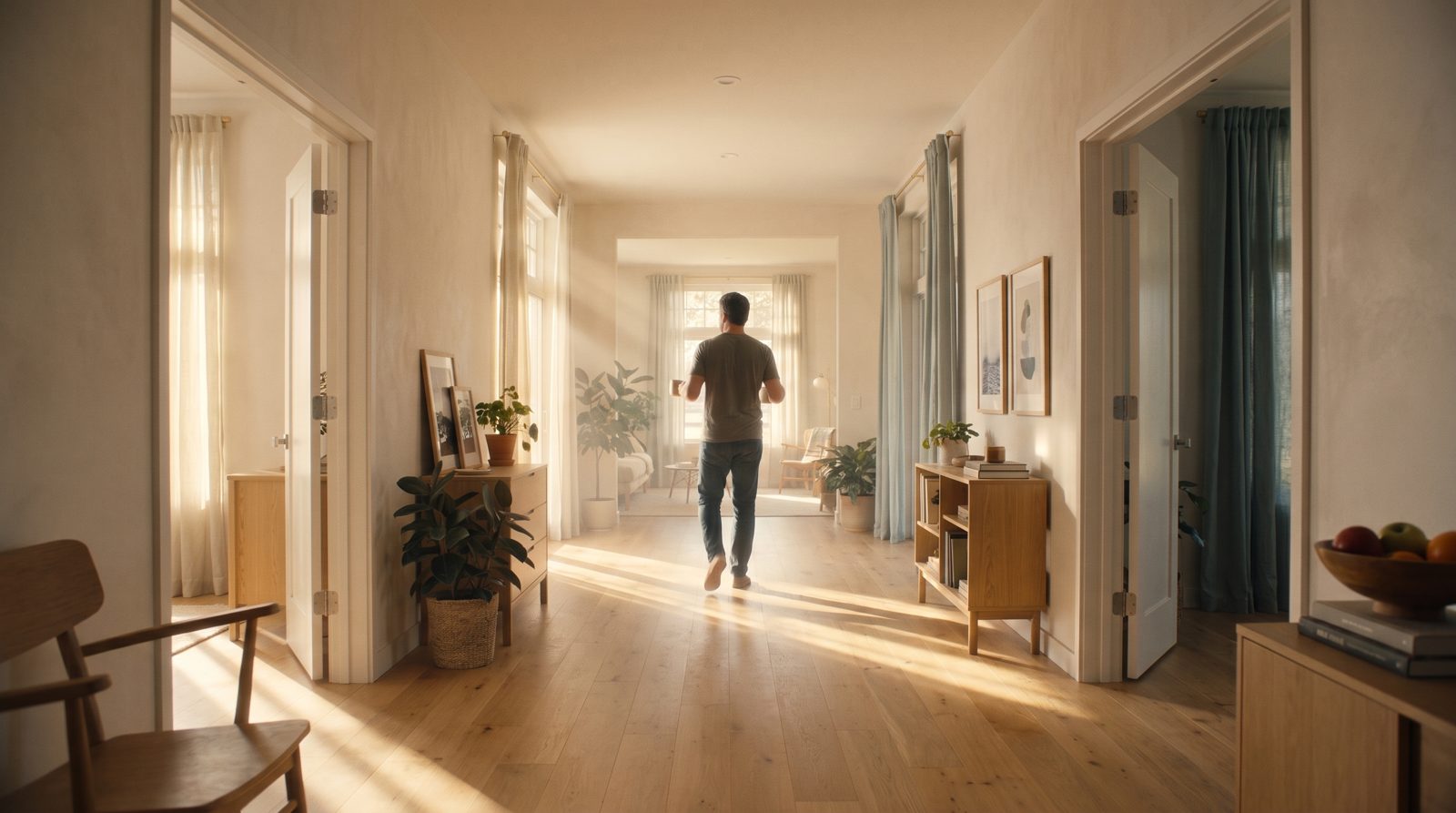
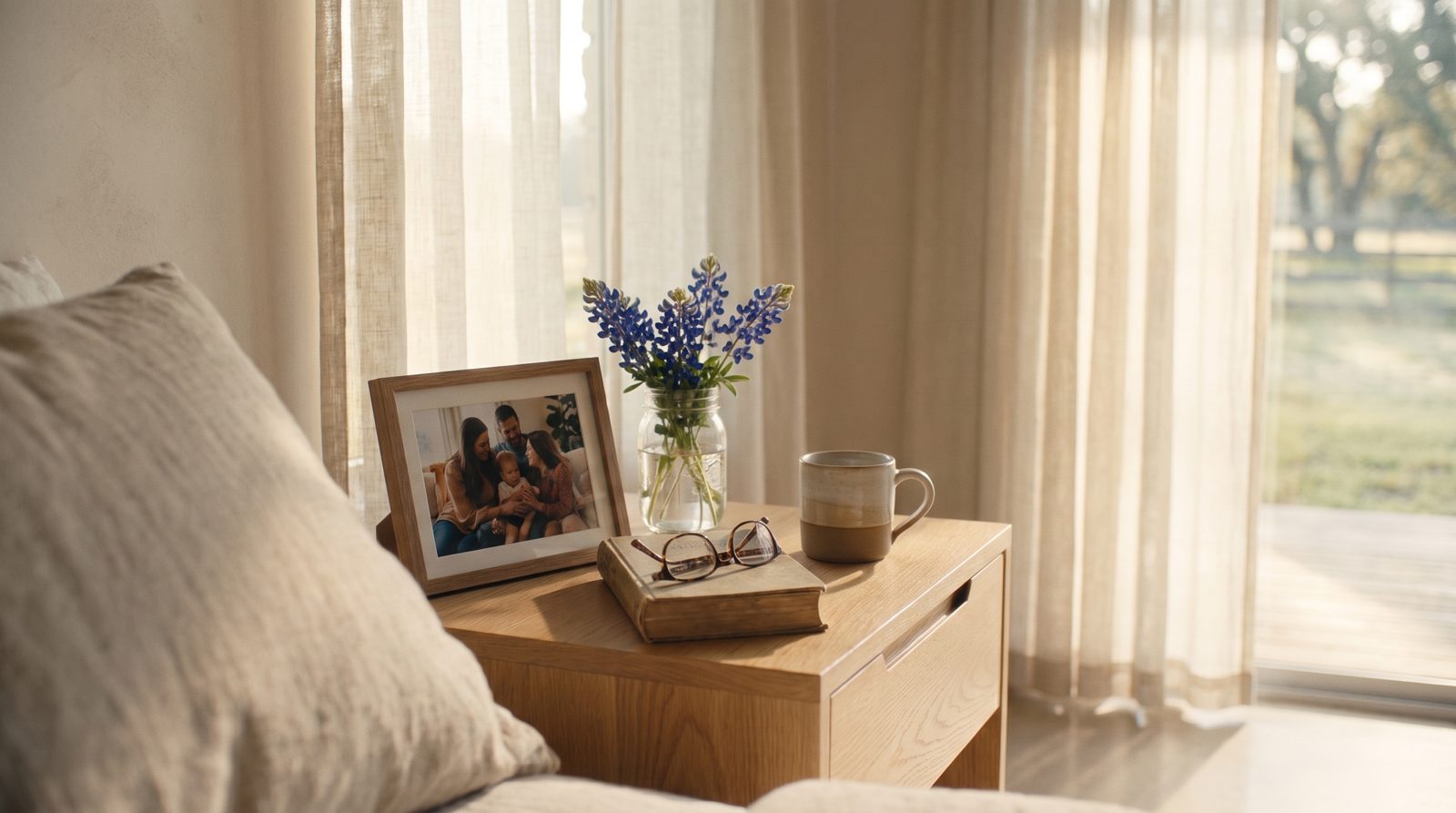
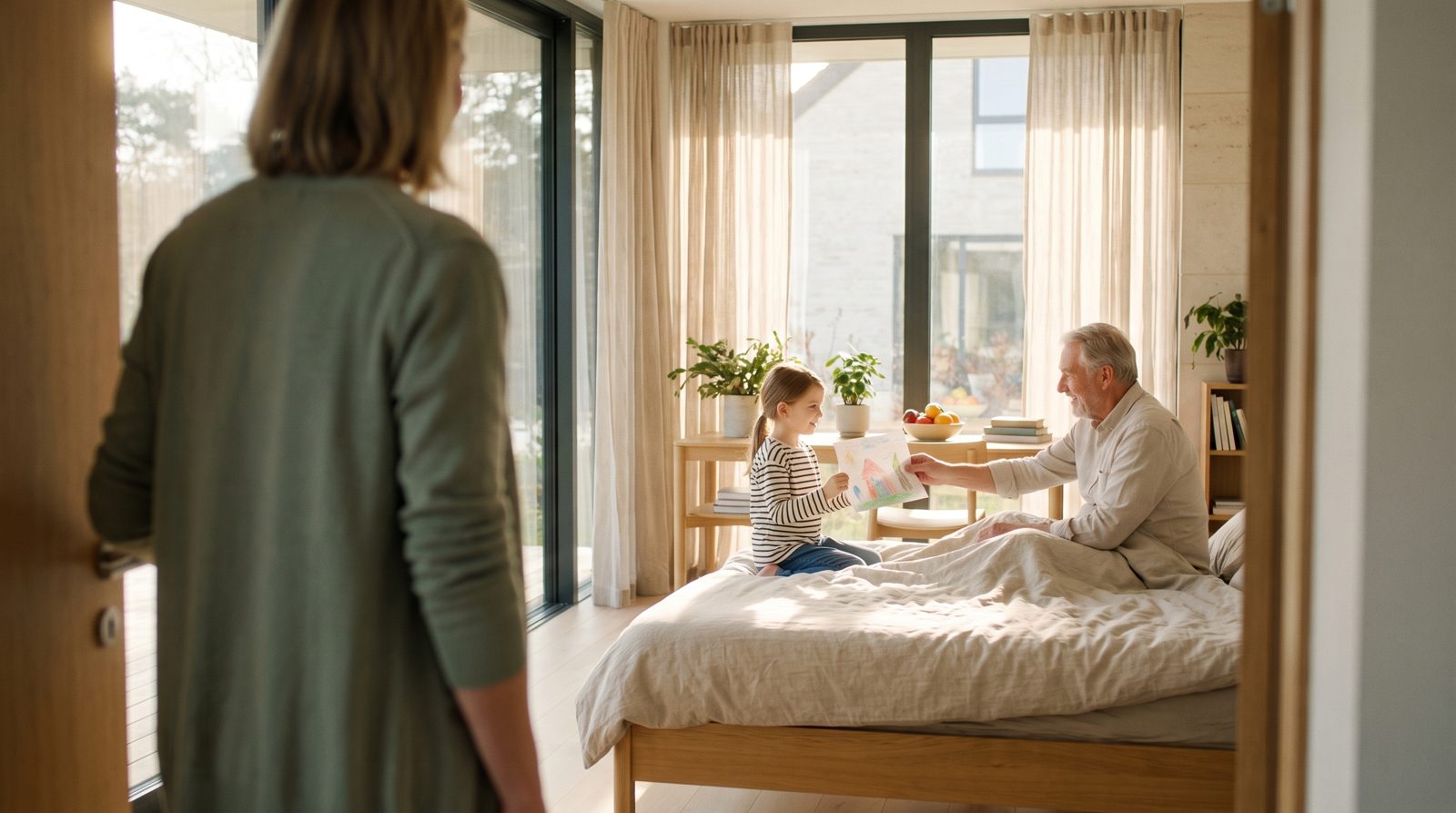
The change begins when the house does, and it comes gradually. The color warms, sunlight reaches into the rooms, the lenses soften, and more people come into the frame.

These frames show how the second half should feel. They are not a picture of the house. We film in a warm, light-filled home that stands in for that feeling, and we stay close.

An older couple laughing over coffee on a sunlit porch, live oaks and pasture beyond
An older hand held between two younger hands on white linen, a sunlit room behind
A daughter leaning in beside her father's bed in a sunlit room
An oak table set for breakfast in morning light, nobody seated yet
A man walking down a sunlit hallway with open doors
A bedside table with a family photograph, bluebonnets, reading glasses and a cup of coffee
A girl showing her grandfather a drawing as he sits up in bed

Frame

Softer lenses and gentle movement. Closer on details, with more people in the shot.

Light

Warmer color, low sun through the windows, beams in the haze and a little bloom in the highlights.

Sound

Uplifting music arrives. Voices, a porch, the outdoors.

Concept frames generated for this treatment. Shown for tone only. They do not depict the hospice house or its interiors.

The house08 / 11

Showing what does not exist yet

The house, as the architect drew it

  • Drawn

    The architect’s own plans and elevations, brought to the screen through animation, practical filming or immersive 3D renders.

  • Filmed

    Close vignettes in a warm, light-filled home that stands in for the feeling of the place: coffee on a porch, light through a window, a hand held.

  • Kept separate

    The drawings show the building. The footage shows the feeling. The home we film in is never presented as the hospice house.

Background: a reference frame from an existing film. It is not the foundation’s drawing.

Scope and investment09 / 11

3 ways to make it

Production estimates

Signature is the package I recommend, for the story’s sake. With 5 to 6 interviews, the film can hold a doctor’s view, a caregiver’s and several families’. Filming at home lets people speak where they are most at ease, and the hospital footage shows what is missing today.

Essential

One film.

  • 1 filming day
  • Crew of 2
  • 3 to 4 interviews, filmed at one location
  • Compact lighting kit
  • A 2-minute film
  • 2 social clips
  • The architect’s drawings, shown simply*
Production$16,500
Nonprofit courtesy, 10%−$1,650
Total$14,850

Recommended

Signature

The film and its cuts for the December ask.

  • 2 filming days
  • Crew of 3 to 4
  • 5 to 6 interviews, filmed in families’ homes
  • Full lighting package
  • Hospital footage
  • A 2 to 3 minute film
  • A 60-second cut and 3 to 4 social clips
  • The architect’s drawings brought to life, with a filmed “feeling of home” sequence*
Production$31,000
Nonprofit courtesy, 10%−$3,100
Total$27,900

Legacy

A year of campaign films, from the first ask to the thank-you.

  • Everything in Signature, plus:
  • 3 family story films, 60 to 90 seconds each
  • “The case for the house” with Dr. Covington, 90 seconds
  • A donor thank-you film, 30 to 45 seconds
  • A milestone film at land purchase or groundbreaking
  • A photo library from both filming days
  • 20 hours of film updates over 12 months
  • Room tours, where the architect’s 3D model exists*
Production$45,000
Nonprofit courtesy, 10%−$4,500
Total$40,500

If your budget lands somewhere between these, I can adjust the scope to fit.

In every package

Story development and pre-interviews, editing, color grading, sound mix, licensed music, captions, 2 rounds of revisions and a final polish pass. Crew, equipment and travel to Bryan/College Station are included.

When the house receives its permanent name, I update the film once at no charge, within 18 months of delivery.

* The house on screen

How the house appears depends on what the architect has produced. Essential shows the plans and elevations simply. Signature and Legacy give them more time and craft on screen, and pair them with filmed footage. Legacy’s room tours use views from the architect’s 3D model, so they are included only if that model already exists.

Timeline10 / 11

October to December 2026

Finished in time for year-end giving

These dates hold if the board approves by October 20 and families are confirmed by November 13.

  1. October 20

    Board approval and signed agreement

  2. October 21 to November 13

    Planning: family outreach, hospital permission, pre-interviews, drawings received

  3. November 21 to 22

    Filming in Bryan/College Station. Essential films on November 21 only.

  4. December 3

    First cut delivered for review

  5. December 7

    Foundation feedback due

  6. December 9

    Second cut delivered

  7. December 11

    Foundation feedback due

  8. December 15

    Final film and short cuts delivered

Terms and next steps11 / 11

Terms

A simple agreement

  • Payment

    50% on signing and 50% on delivery of the final film.

  • Revisions

    2 rounds of revisions are included, plus a final polish pass for small fixes. Further changes are quoted before work begins.

  • Usage

    The foundation may use the finished films for the campaign without limit.

  • Portfolio

    Mirage Media may show the film once the foundation has released it publicly.

  • Validity

    These prices and dates hold through October 23, 2026.

If the board says yes

  1. 1

    The board chooses a package and approves by October 20.

  2. 2

    I send a short agreement and an invoice for the first 50%.

  3. 3

    Dr. Covington, Angela Robinson and I plan family outreach and hospital access.

Questions

everett@miragemedia.us

Past work

Everett Francis · Prepared October 2026